Dogs
Nov 14, 2025
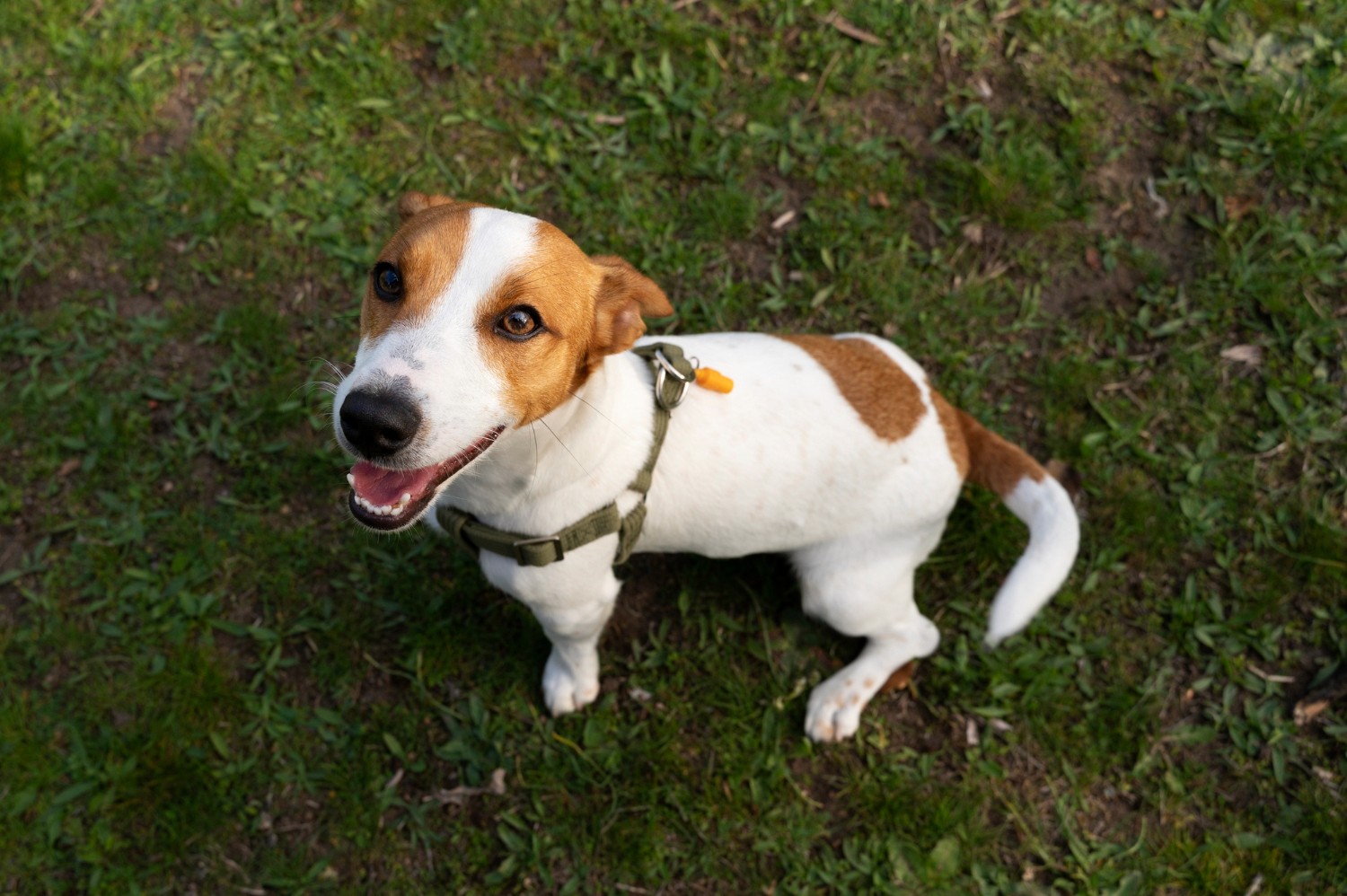
You can tell a lot about how your dog is feeling just by watching their tail. Dogs may not speak our language, but their bodies do all the talking. The trouble is, not all tail wags mean the same thing, and it’s easy to misread what your dog is trying to tell you.
A fast wag isn’t always a happy one. It can be an indication of stress. A tucked tail might mean your dog is scared, sore, or just not feeling right. If we miss these early signs, small problems can turn into bigger ones, whether they're health concerns or issues in their surroundings.
Once you know what to look for, reading your dog’s tail becomes second nature. Just remember, every dog is different. Some breeds have long or short tails, and each dog has its own way of expressing emotions. With a bit of observation and care, you’ll be able to spot the signs early and respond in ways that help your dog feel safe, happy, and understood.
Why Do Dogs Wag Their Tails?
A dog’s tail is one of the main ways they shows how it’s feeling. It can mean many things, depending on how the tail moves and what the rest of the body is doing.
Dogs start wagging their tails from a young age, usually as puppies around 3 to 4 weeks old. At first, it’s something they do naturally, without thinking. As they grow and spend more time with their littermates, other dogs, and people, tail wagging becomes part of their communication.
It’s important to know that tail wagging can be both instinctive and social. Sometimes it’s a natural reaction to how they feel, like when they get excited, and their tail starts wagging quickly. Other times, it’s a learned behaviour, like wagging when they see you because they know it brings a positive response.
Always check other signs in your dog’s body language too:
Ears: Forward ears may mean your dog is alert or curious, while ears laid back can show fear or submission.
Eyes: Soft, relaxed eyes often mean your dog is calm. But if you see the whites of their eyes or if their pupils are vast, they could be stressed or anxious.
Mouth: A relaxed, open mouth with the tongue out often means your dog is comfortable. A tightly closed mouth or tense jaw might mean they’re feeling uneasy.
Body posture: A loose, wiggly body posture shows friendliness, while stiff legs or a crouched position can signal fear or tension.
Sounds: Barking, whining, growling, or even silence all add clues to how your dog feels in the moment.
By paying attention to these signals together, not just the tail, you’ll get a much better idea of what your dog is really trying to tell you.
Common Dog Tail Positions
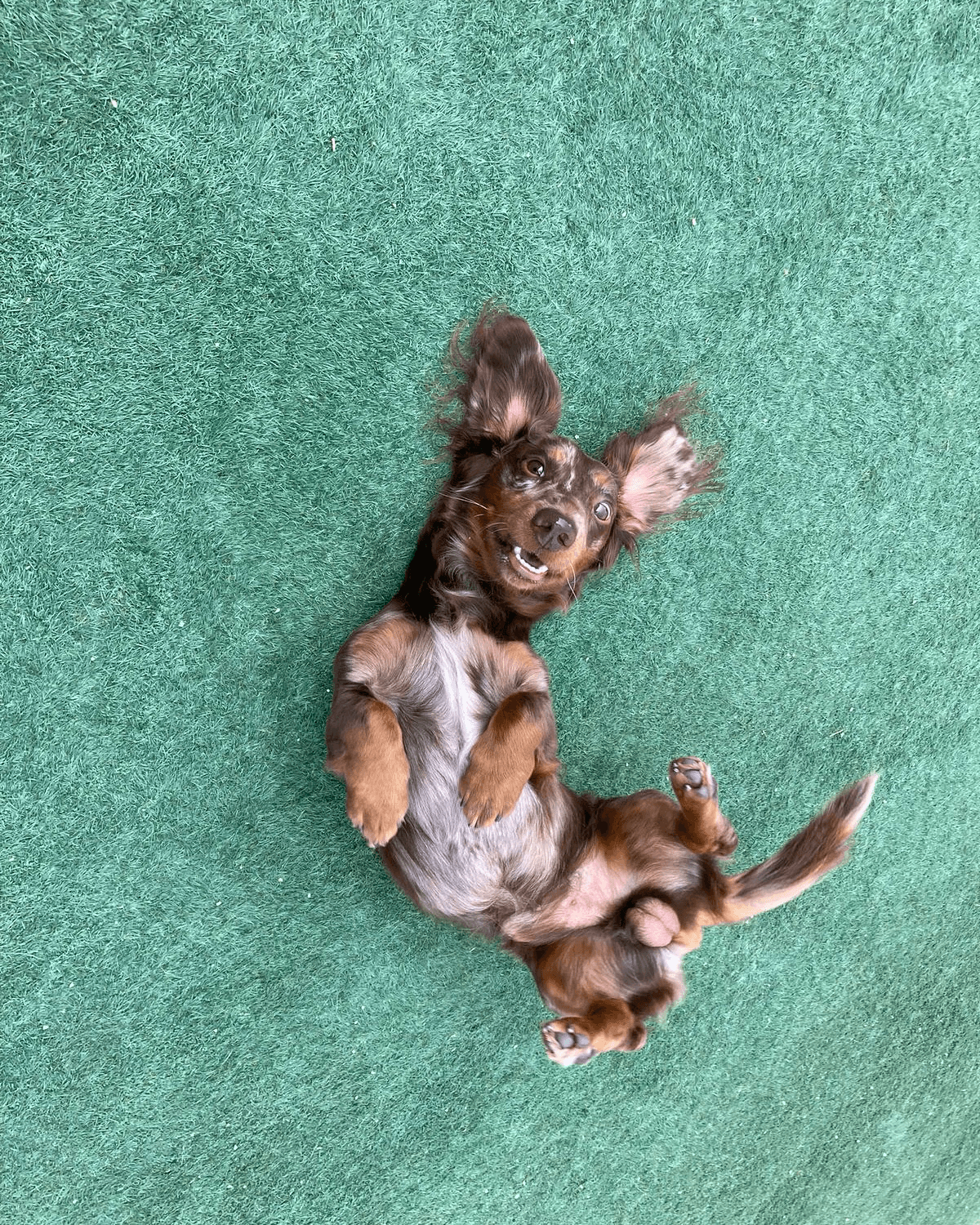
The way your dog’s tail is held, whether high, low, still, or wagging, is often their way of expressing emotion. Below are some of the most common tail positions and what they usually mean. Keep in mind that every dog is different, so it’s essential to consider the situation and your dog’s usual behaviour too.
Tail Held High
When a dog holds its tail high, it usually means they feels confident, alert, or proud. They may be excited about something, like going for a walk or meeting another dog. But if the tail is stiff and high, it can show tension or uncertainty. Dogs sometimes raise their tail to show they’re “in charge,” especially around new dogs. If this comes with raised fur or a hard stare, give them space.
Tail Straight Out (Horizontal)
A tail held straight out, level with the back, often means your dog is curious or focused. They may be watching something new or listening closely. If their body looks relaxed, they’re simply interested. If their body is stiff and still, they may be deciding whether they feel safe.
Tail Down but Not Tucked
If your dog’s tail is held low, close to the back legs but not tucked, they’re likely feeling calm, tired, or simply at ease. This is a normal resting position for many dogs, especially when they’re at home or in a familiar setting. Some dogs also naturally carry their tails low, so it may not always mean anything is wrong.
Tail Tucked Between Legs
When a dog tucks its tail between its legs, it’s a clear hint of fear, stress, or nervousness. It’s their way of saying, “I don’t want trouble.” You might see this during storms, vet visits, or when meeting new people or dogs. They may also crouch down and avoid eye contact. Speak softly, give them space, and, if possible, remove stress.
Limp or Unmoving Tail
A limp or still tail can mean injury or illness, especially if your dog wags typically often. Dogs can sprain their tail after hard play, swimming in cold water, or resting too long in a crate. This is sometimes called “limber tail syndrome.” If the limp tail doesn’t improve in a day or two, or if your dog seems in pain, call your vet.
Different Types of Tail Wagging
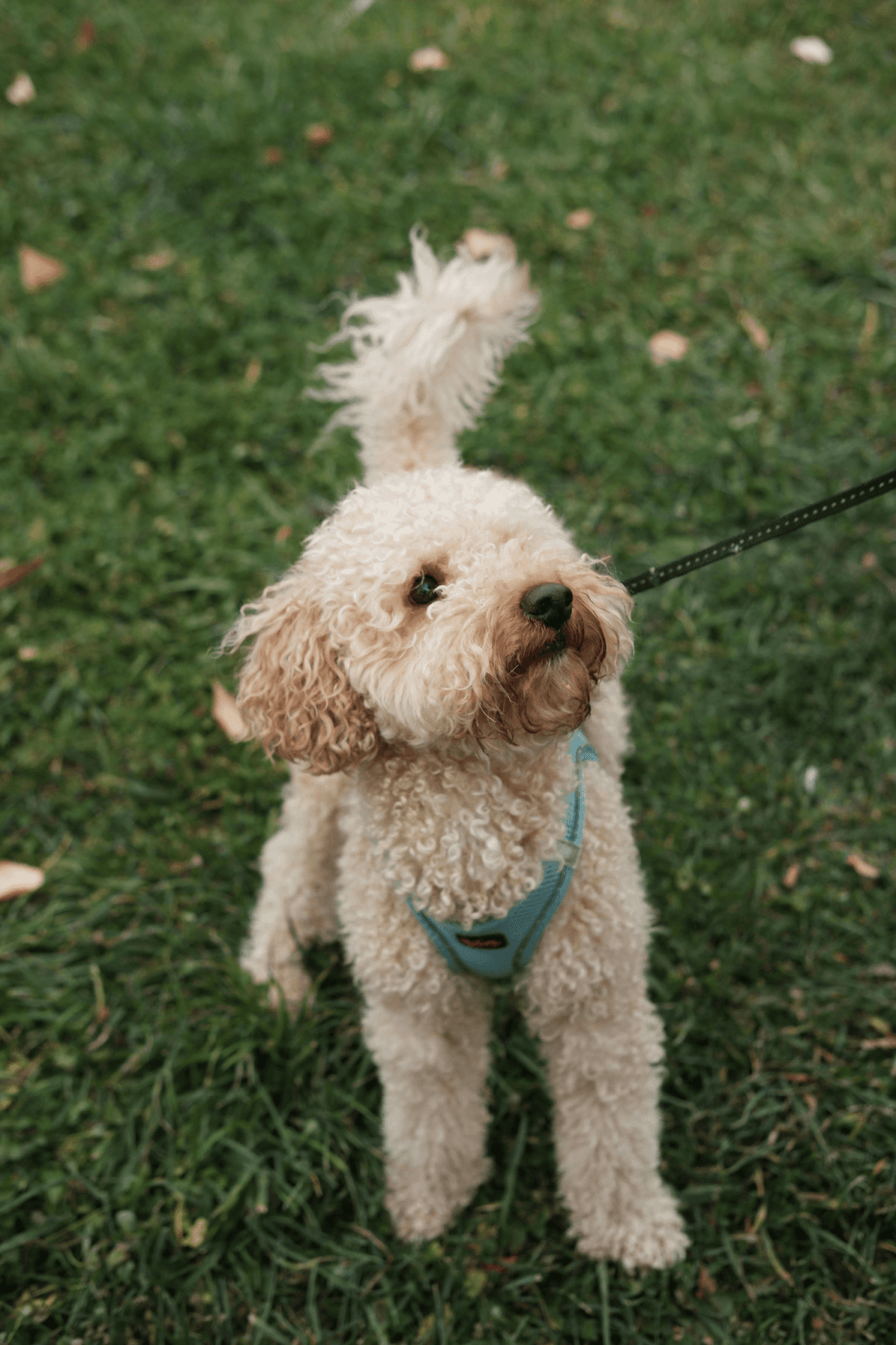
Tail wagging isn’t always the same: the speed, shape, and direction can all change what your dog is trying to say. A wag can show happiness, nervousness, or even caution. By looking at how your dog wags their tail and their body language, you can better understand their feelings. Here are the most common wagging styles and what they usually mean.
Full Body Wiggle
When your dog wags their tail with their whole body moving, it usually means pure joy and excitement. This is the “happy dance” dogs do when greeting you or when they’re thrilled about playtime.
Fast, Tight Wag
A quick, tight wag often shows high energy or nervous excitement. It can mean your dog is very alert, worked up, or unsure about what’s happening. Watch their body language to see if it’s happy excitement or stress.
Slow Wag
A slow wag usually means your dog is relaxed and calm. It can also show they’re feeling cautious, like they’re thinking about what’s going on before reacting.
Directional Wagging
Wag to the Right
When a dog’s tail leans or wags more to the right, it often means positive feelings. They may be happy, friendly, or comfortable with the person or situation.
Wag to the Left
A wag that leans more to the left can mean your dog is feeling unsure or uneasy. It may show caution or mild stress, especially around new people or dogs.
Wagging While Lying Down
If your dog wags their tail while lying down, it usually means they’re relaxed but still happy to see you. It’s a gentle way of showing affection without getting up.
Tail Quivering or Stiff
A tail that quivers or stays stiff while wagging can mean strong emotions. This might be excitement, frustration, or even tension. Pay attention to the rest of their body to know if it’s playful or serious.
When to Worry About Tail Position or Movement
Most tail positions are normal ways for dogs to show feelings, but sometimes unusual tail behavior can signal pain, stress, or illness. Here are signs to watch for:
Limp or Droopy Tail
If your dog’s tail hangs limp and doesn’t move, especially if they normally wag often, it could mean injury or a condition like limber tail syndrome. The causes include overexertion, swimming in cold water, or long crate rest.
Sudden Change in Tail Position
A tail that suddenly stays tucked, stiff, or unusually high for long periods may show fear, pain, or discomfort. Pay attention if this change happens without an obvious reason (like meeting a new dog).
Pain When Touching the Tail
If your dog yelps, growls, or pulls away when you touch their tail, it may be injured or sore. Look for swelling, cuts, or signs of infection.
No Wagging During Happy Moments
If your dog normally wags when excited (like when you greet them) but suddenly stops, it may mean they’re not feeling well.
Tail Quivering or Stiff Wagging
A tail that shakes or stays rigid while wagging can show strong emotions, but if paired with whining, stiffness, or avoidance, it may signal stress or pain.
Other Warning Signs Alongside Tail Changes
Trouble walking or sitting comfortably.
Loss of appetite or low energy.
Repeated hiding, whining, or avoiding touch.
Get to Know Your Dog’s Tail “Normal”
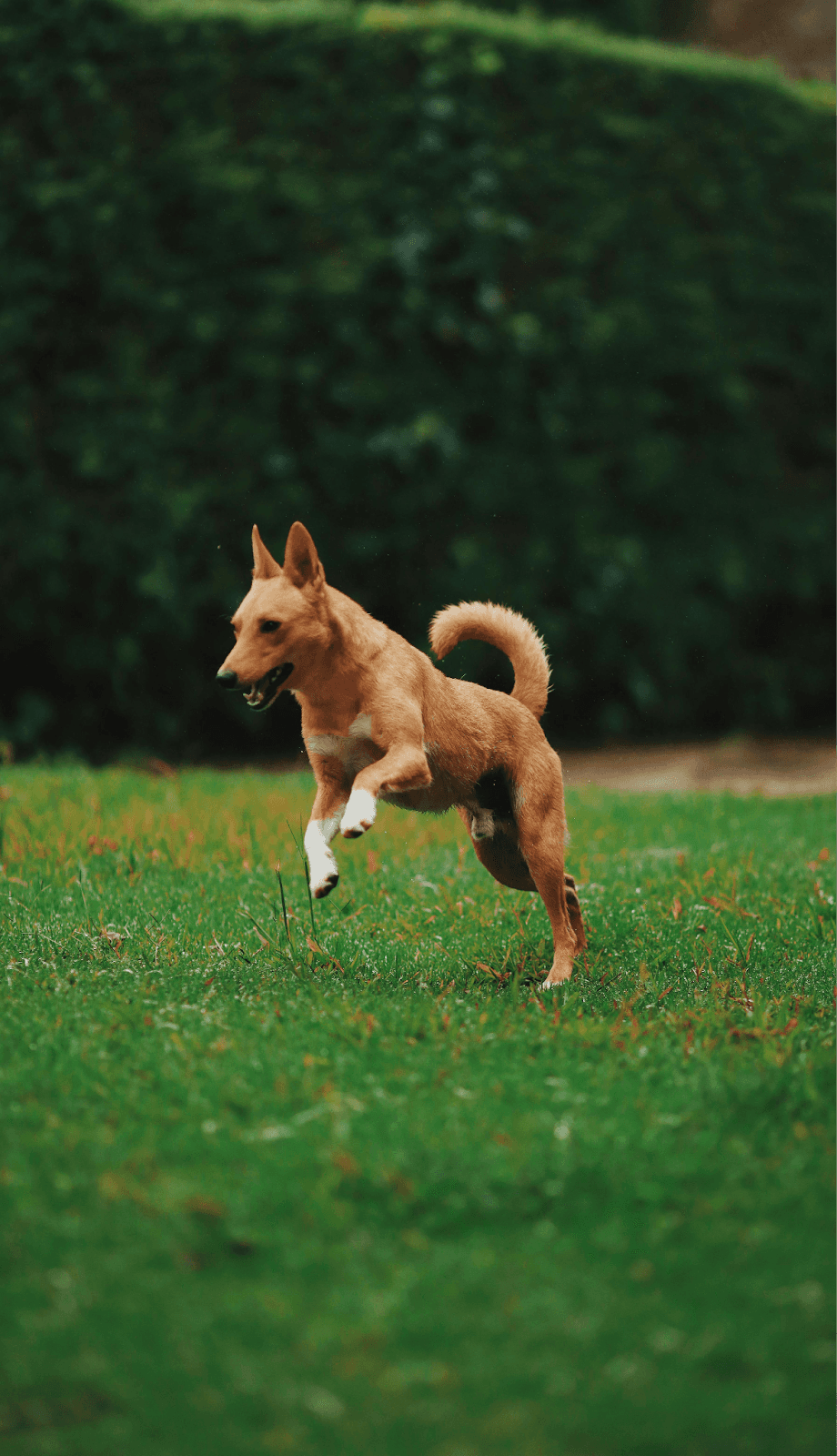
Every dog has a natural way of holding and moving their tail, and learning what’s “normal” for your pet is the key to spotting changes that may signal emotions or health issues.
Breed Differences: Tail shapes vary widely. Greyhounds and Whippets often carry their tails low, Huskies and Pomeranians have curled tails, and Bulldogs or Boston Terriers may have short or stubby tails. These natural shapes affect how wagging looks, so don’t compare your dog’s tail to another breed.
Daily Habits: Pay attention to how your dog’s tail looks in everyday situations: relaxed at home, excited when greeting you, or calm during rest. This baseline helps you recognize when something is unusual.
Spotting Changes: A sudden limp tail, constant tucking, or unusual stiffness can be signs of stress, pain, or injury. If your dog’s tail behavior changes without an obvious reason, it’s worth monitoring closely.
Whole‑Body Context: Remember, the tail is just one part of your dog’s communication. Combine tail signals with ears, eyes, posture, and voice to understand the full picture.
By knowing your dog’s “normal,” you’ll be quicker to notice when something is off, whether it’s emotional stress or a health concern, and can respond with care or seek help from a vet if needed.