Dogs
Nov 21, 2025

Many dog owners feel anxious when they suspect their pet might be pregnant. The signs can be subtle at first, and without clear guidance, it’s easy to miss important changes or delay essential veterinary care.
Ignoring or misreading these signs can lead to poor preparation for birth, unexpected complications, and unnecessary risks to both the dam and her litter.
This guide breaks down the dog pregnancy period into clear stages, explains how vets confirm pregnancy, and provides practical care tips for each trimester. By the end, you’ll feel confident, informed, and ready to support your dog through a safe pregnancy and delivery.
Quick Facts at a Glance
Average gestation length: Around 63 days (roughly 9 weeks).
Earliest signs: Subtle changes, such as mild lethargy or reduced appetite, may appear within the first 2-3 weeks.
Pregnancy confirmation: A vet can usually confirm pregnancy by ultrasound from day 25 and by X‑ray after day 45.
Visible changes: Nipple enlargement and abdominal growth typically become noticeable by weeks 4-6.
Preparation time: Begin setting up a safe birthing area by week 7.
Emergency red flags: Strong contractions lasting more than 2 hours without a puppy, green/black discharge before the first puppy, or more than 2-4 hours between puppies require immediate veterinary attention.
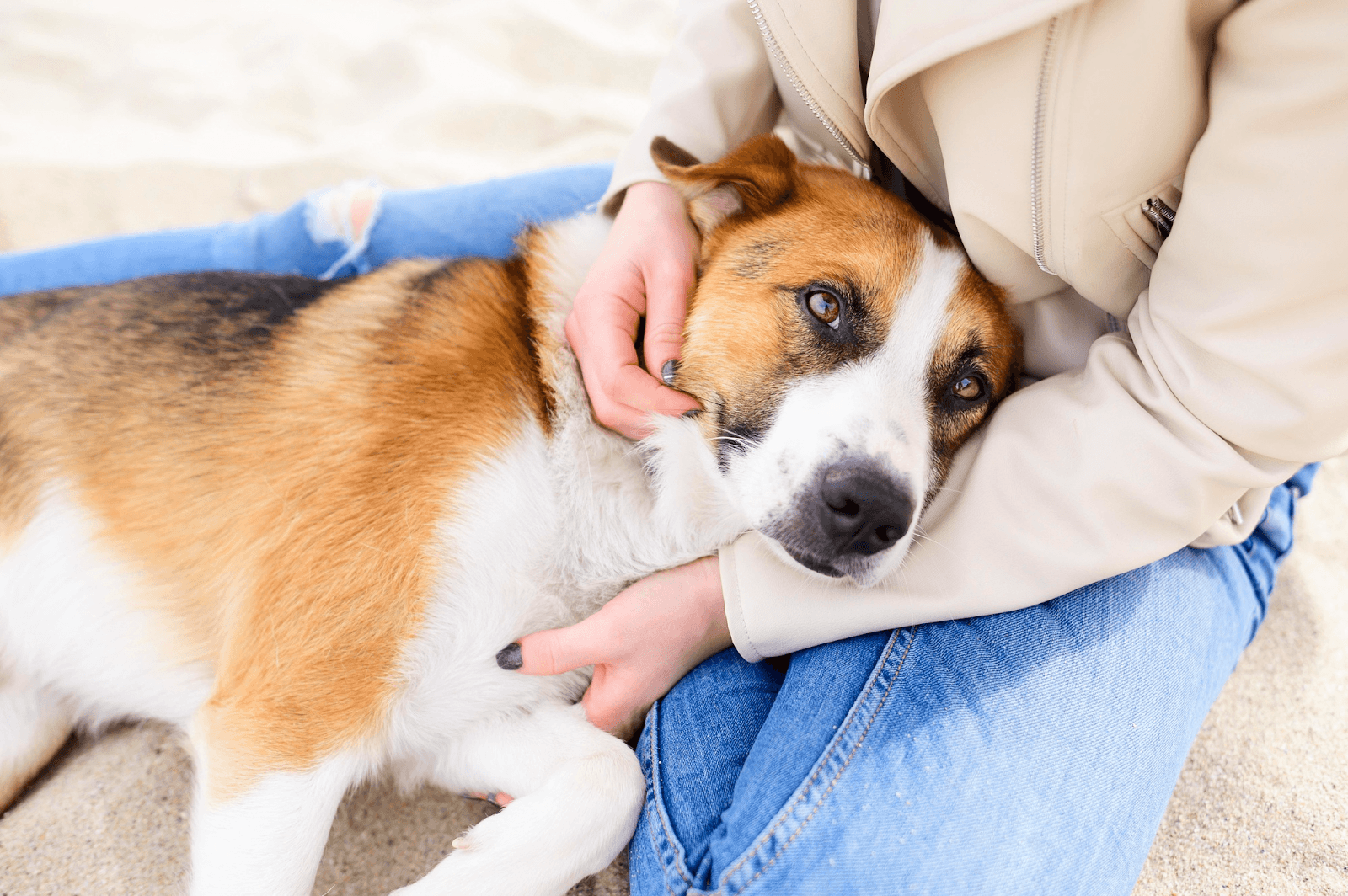
Stages and Symptoms of Dog Pregnancy
It can be hard to tell if a dog is pregnant, especially in the early weeks. The signs change as the pregnancy moves forward. Knowing what to look for will help you care for your dog and prepare for the puppies.
Weeks 1-3 Early Signs
In the first few weeks, the changes are small. Your dog may seem tired or less playful than usual. She might eat less or even vomit once in a while, like morning sickness in people. Some dogs act more clingy and affectionate, while others prefer to be alone. At this stage, there are no big body changes, so watch closely for small shifts in behaviour and appetite.
Weeks 4-6 Mid Pregnancy Signs
By the middle weeks, the signs are easier to see. The nipples get bigger and darker, and sometimes a little fluid comes out. The belly starts to grow, and you may notice weight gain. Your dog may eat more as the puppies grow, though some still feel a bit sick. She may also start nesting, meaning she looks for quiet corners or rearranges her bedding. Around this time, a vet can confirm pregnancy with an ultrasound scan.
Weeks 7-9 Late Pregnancy Signs
In the last weeks, pregnancy is very clear. The belly is large, and you may even see or feel the puppies moving. Your dog’s appetite may drop because her belly is full. She may become restless and spend more time alone. Nesting behaviour gets stronger, and she may leak milk from her nipples.
A drop in body temperature (below 37.2°C) often happens about a day before labour starts. At this stage, make sure you are ready for the birth. If you see unusual discharge or your dog seems in pain for a long time, call the vet right away.
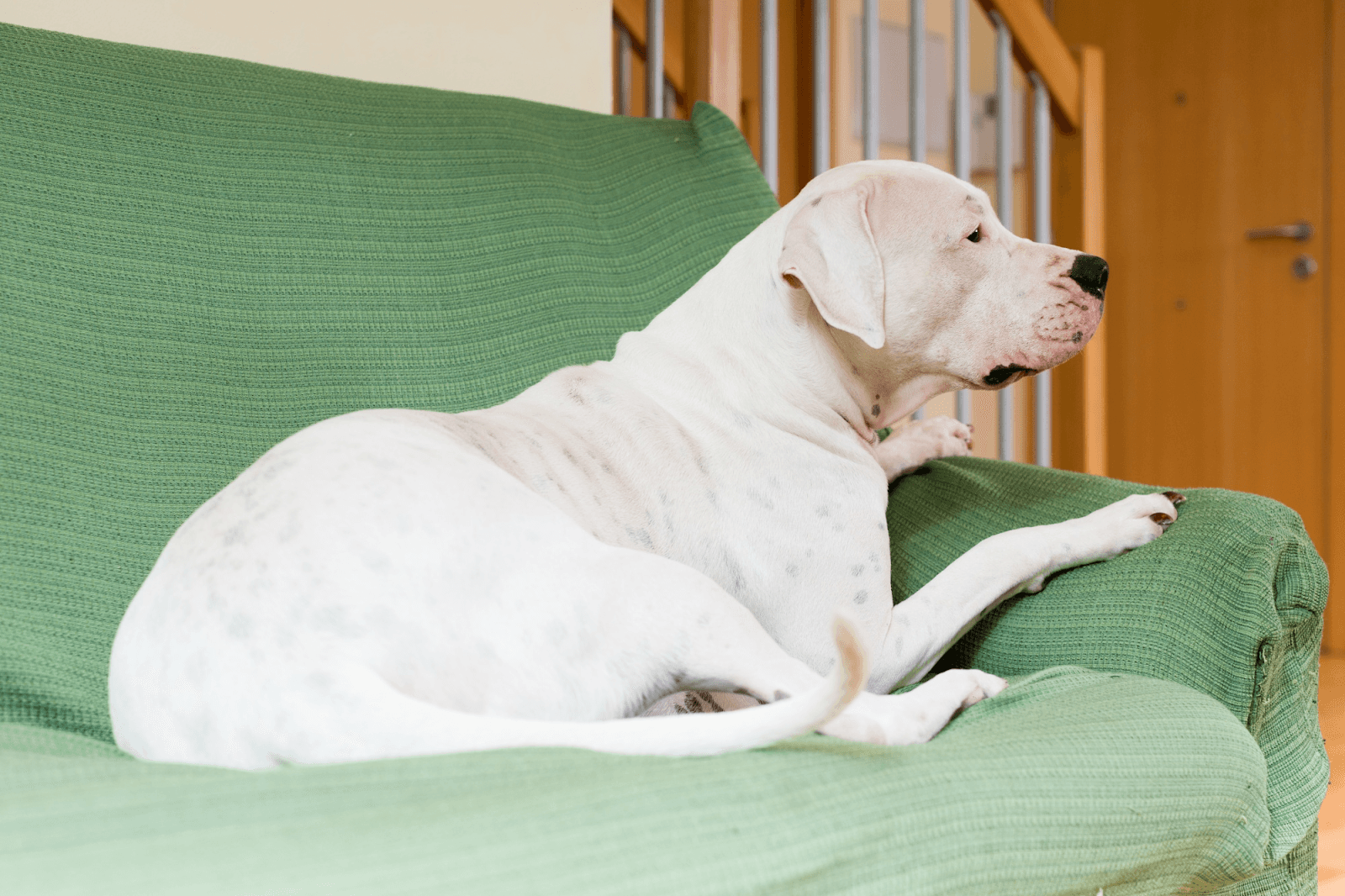
Veterinary Tests to Confirm Dog Pregnancy
It can be difficult for owners to know for sure if their dog is pregnant just by looking at her. Vets have several safe and reliable ways to confirm pregnancy, each suited to a different stage of the nine‑week period. Here are the main methods explained in simple terms:
Veterinary Palpation
From around day 28 onwards, a vet may gently feel the dog’s abdomen to check for small swellings in the uterus. These can indicate developing puppies. Palpation must be done carefully by a professional, as pressing too hard can harm the mother or the litter.
Ultrasound Scan
An ultrasound can usually confirm pregnancy from day 25. This test uses sound waves to create an image of the uterus. It shows the presence of puppies and can even detect heartbeats, giving reassurance that they are alive and developing. Ultrasound is safe and commonly used.
X‑ray
An X‑ray is most useful after day 45, when the puppies’ skeletons have formed. It allows the vet to count how many puppies are expected. This helps owners prepare for the birth. X‑rays are not used earlier because the bones are not yet visible.
Hormone Tests
Some vets may use a blood test to measure hormone levels linked to pregnancy. These tests are less common but can confirm pregnancy around day 25-30. They are usually used alongside other methods for accuracy.
Each test has its own timing and purpose. Palpation and hormone tests can give early clues, ultrasound provides clear confirmation and checks puppy health, while X‑rays are best for counting puppies later on. Your vet will advise on the most suitable method depending on how far along the pregnancy is.

Care Plan for Each Stage of Pregnancy
Pregnancy in dogs lasts about nine weeks, and care needs change as the weeks go by. Breaking the period into three trimesters makes it easier to understand what your dog needs at each stage.
Trimester: | FirstChanges are small, focus on keeping your dog’s routine steady. | SecondDog’s pregnancy becomes more obvious | ThirdProvide your dog extra care and preparation for birth. |
Feeding: | Continue her normal, balanced diet. Do not increase food yet, as the puppies are still very tiny. | Begin to increase food portions slowly. Switch to a high‑quality diet made for growth or pregnancy if advised by your vet. | Offer smaller, more frequent meals, as her belly is full, and large meals may be uncomfortable. |
Exercise: | Gentle daily walks are fine. Avoid very hard activity or stressful situations. | Keep walks short and gentle. Avoid rough play or jumping. | Limit activity to short, slow walks. Allow plenty of rest. |
Health checks: | If you suspect pregnancy, book a vet visit to discuss care and confirm mating dates. | Schedule an ultrasound around weeks 4-5 to confirm the pregnancy and check the puppy's health. | A vet may use an X‑ray after day 45 to count puppies. Ask about what to expect during labour |
Observation: | Watch for small changes in behaviour, appetite, or energy. Write them down to share with your vet. | Provide a quiet, calm space where your dog can rest. She may start nesting behaviour, so give her soft bedding. | Look for signs of labour, such as restlessness, nesting, or a drop in body temperature. |
How to Prepare for Your Dog Giving Birth
Getting ready for your dog to give birth is one of the most important parts of pregnancy care. Good preparation makes the process safer and less stressful for both the mother and her puppies. Here are the key steps to follow:
Create a Whelping Area
Set up a whelping box in a quiet, warm, and safe part of your home. The box should be large enough for your dog to lie down and stretch, but with sides high enough to keep the puppies inside. Line it with clean, soft bedding that is easy to wash or replace. Place the box in a quiet, noise-free area away from other pets.
Gather Essential Supplies
Have everything ready before labour begins. Useful items include:
Clean towels and blankets for drying and keeping puppies warm.
Disposable gloves for handling puppies, if needed.
A bulb syringe to clear a puppy’s nose or mouth if it struggles to breathe.
Sterile scissors and iodine for cutting and cleaning umbilical cords if the mother does not do it herself.
A heat source, such as a safe heating pad, to keep newborns warm.
A small scale to weigh puppies and track their growth.
Keep Emergency Contacts Ready
Write down your vet’s phone number and the nearest 24‑hour emergency clinic. Keep these contacts close to the whelping area so you can act quickly if something goes wrong.
Prepare Yourself
Learn the signs of labour: restlessness, nesting, panting, and a drop in body temperature. Familiarise yourself with what is normal during birth and what counts as an emergency. Stay calm and supportive; your dog will sense your mood.

Step‑by‑Step of the Birth Process
When your dog reaches the final stage of pregnancy, it’s essential to know what happens during labour and delivery.
Stage 0: Signs Labour is Close
About 12-24 hours before birth, your dog’s body temperature often drops below 37.2°C. She may become restless, pant heavily, or start nesting by arranging bedding and seeking a quiet space. Appetite usually decreases at this point.
Stage 1: Early Labour
During early labour, the uterus begins to experience gentle contractions. Your dog may whine, lick her vulva, or stay close to her whelping box. A small amount of clear discharge is normal. This stage can last 6-12 hours, and your role is to keep her calm and comfortable.
Stage 2: Active Labour and Delivery
Strong contractions signal the start of active labour. A puppy should arrive within 20-60 minutes of regular straining. Each puppy is born in a thin sac, which the mother usually opens and cleans. If she does not, you may need to gently tear the sac and clear the puppy’s mouth and nose. Puppies usually are delivered 20 minutes to 2 hours apart.
Stage 3: Passing the Placentas
After each puppy, a placenta should follow. The number of placentas must match the number of puppies. If one seems missing, contact your vet, as a retained placenta can cause infection.
Immediate Care After Each Puppy
The mother usually bites the umbilical cord and licks the puppy to stimulate breathing. If a puppy struggles, gently rub it with a warm towel to clear its airway. Keep puppies warm and help them latch onto the mother’s nipples to drink colostrum.
After All Puppies Are Born
Once delivery is complete, replace wet bedding and keep the area warm and quiet. Offer the mother water and a small meal. Count and check the puppies, and arrange a vet check within 24 hours, especially if this is her first litter.