Dogs
Jan 30, 2026
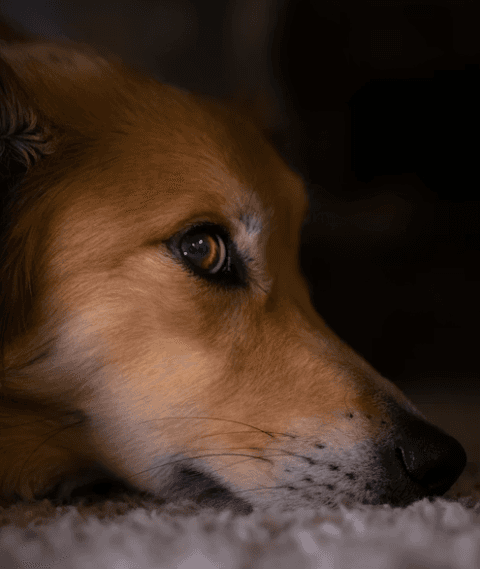
You grab your car keys, and suddenly your dog freezes. Their tail drops, ears flatten, and those big, soulful eyes follow your every move. They pace, whine, maybe scratch at the door. It’s heart breaking and all too common.
About one in four dogs experience anxiety, a hidden struggle that affects their happiness and wellbeing. The good news? Understanding what’s happening in your dog’s mind is the first step to helping them feel safe, calm, and joyful again.
In this guide, you’ll discover the types of dog anxiety, how to recognise the signs, and practical ways to support your furry companion every day.
What Is Dog Anxiety? Understanding Your Pup’s Emotions
Dog anxiety is like stress or worry in humans. It’s an emotional response to something they see as threatening, even when no real danger exists.
Just like you might feel nervous before a presentation, dogs feel uneasy too. They can’t tell you with words, so they show it through behaviour and body language.
Research shows that anxiety in dogs is a genuine emotional state, not simply “bad behaviour.” A 2025 BMC Veterinary Research study found that chronic stress in dogs causes measurable physical and behavioural changes, showing how anxiety affects both their mind and body.
A little nervousness in new situations is normal. It becomes a concern when behaviours are frequent, intense, or disruptive, affecting your dog’s daily life and happiness.
What Are the Types of Dog Anxiety
Understanding the type of anxiety your dog experiences helps you choose the best approach to support them.
Separation Anxiety
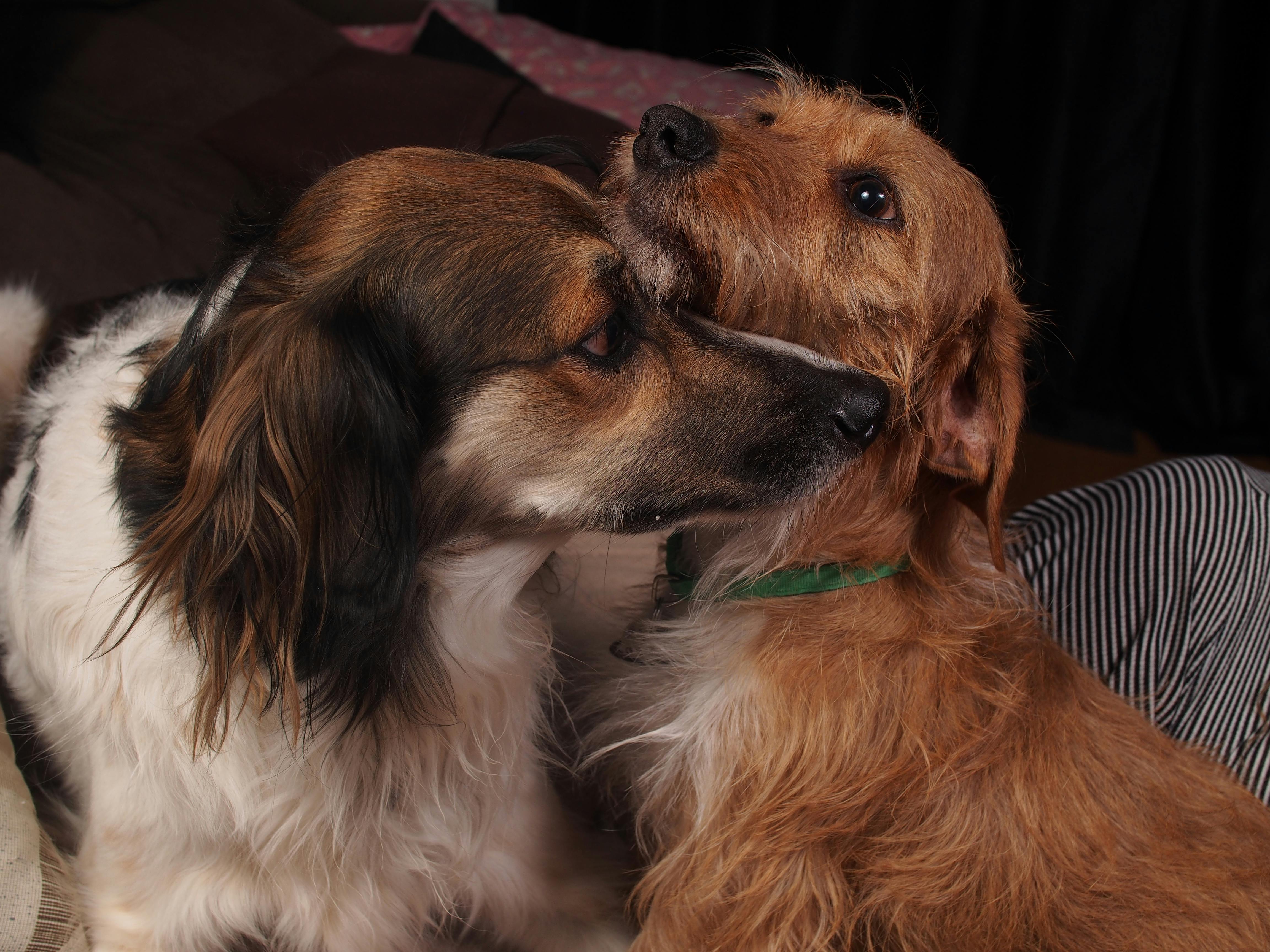
Studies suggest 14% to 20% of dogs experience separation anxiety. Your dog isn’t being spiteful when they chew shoes or have accidents indoors. They’re genuinely panicking. Imagine feeling convinced your loved ones may never return each time they leave. That’s the level of distress your dog may feel. Signs of separation anxiety may include:
Destructive behaviour near doors or windows
Excessive barking, howling, or whining
House soiling in previously trained dogs
Attempting to escape or injuring themselves
Following you from room to room
Triggers often include changes in routine, moving homes, traumatic experiences, or simply a dog’s natural temperament.
Fear-Related Anxiety
Fear anxiety occurs when your dog encounters triggers they find frightening. Common triggers include:
Loud noises: fireworks, thunderstorms, construction
Unfamiliar people or animals
Car rides or vet visits
This anxiety can be situational, appearing only in specific contexts, or more generalised. For dogs new to bustling cities like Dubai, adjusting to traffic, towering buildings, and unfamiliar routines can trigger stress.
Age-Related Anxiety
Senior dogs sometimes develop anxiety due to cognitive dysfunction syndrome, similar to dementia in humans. Signs include:
Getting lost in familiar places
Staring blankly at walls or into space
Altered sleep patterns: restless nights, more daytime naps
Increased clinginess or need for reassurance
House soiling after years of perfect training
Early recognition and veterinary support can greatly improve your senior dog’s comfort and quality of life.
Recognising the Signs of Dog Anxiety
Dogs can’t tell us how they feel with words, but their behaviour and body language speak volumes. Learning to read these signals helps you spot anxiety early and provide support before it escalates.
Behavioural Signs
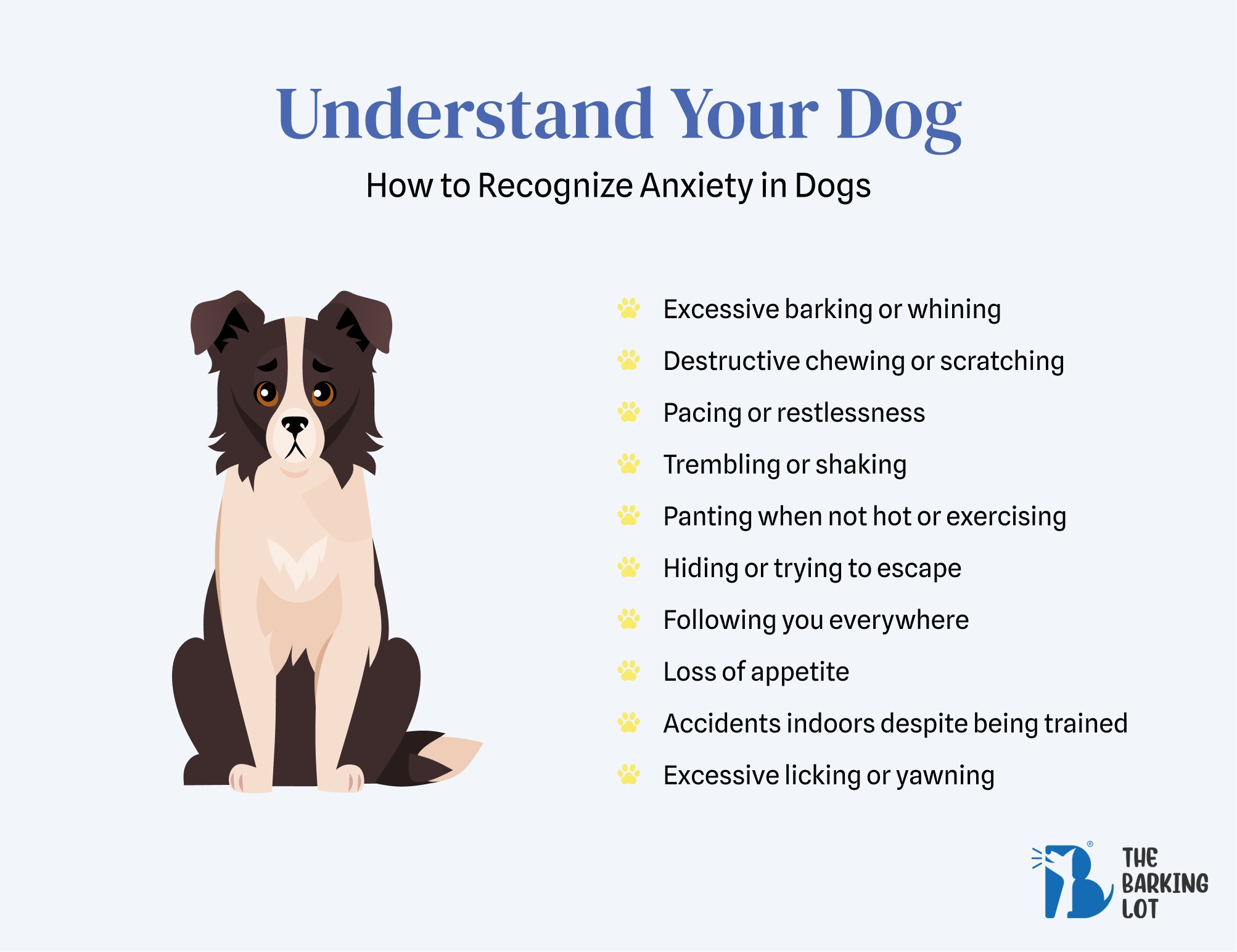
Excessive barking, whining, or howling
Pacing or appearing restless, unable to settle
Chewing, scratching, or tearing items
House soiling, even in previously toilet-trained dogs
Hiding in small spaces or trying to escape
Fear-based aggression: growling, snapping, or defensive behaviour
Repeated lip or nose licking
Yawning when not tired
Physical Signs
Tucked tail and flattened ears
Dilated pupils or “whale eye,” showing the whites of their eyes
Trembling or shaking
Excessive panting or drooling without physical exertion
Loss of appetite or disinterest in favourite treats
Weight loss, low energy, or general lethargy
Excessive shedding
Causes of Dog Anxiety
Dog anxiety rarely has a single cause. It often develops from a combination of experiences, environment, and health factors. Common triggers include:
Changes in routine or home such as moving, new family members, or schedule shifts
Lack of early socialisation, especially during puppyhood
Traumatic experiences like abandonment, accidents, or rough handling
Loud or unpredictable noises including fireworks, storms, or traffic
Prolonged separation from owners, leading to separation anxiety in dogs
Medical issues or pain that increase stress or confusion
Age-related cognitive changes in senior dogs
Understanding these causes helps explain why dog anxiety can appear suddenly or worsen over time. If symptoms seem severe or unexpected, a veterinary check is always recommended.
How to Prepare Dogs With Separation Anxiety for Pet Boarding

Pet boarding can be stressful, especially for dogs with separation anxiety or general dog anxiety. Thoughtful preparation can make the experience smoother:
Introduce the Facility Gradually
Take your dog for short visits to explore the environment under calm supervision.
Practice Short Separations at Home
Start with brief departures, gradually increasing the duration. Reward calm behaviour with praise or treats.
Maintain Consistent Routines
Feed, exercise, and rest at familiar times to reduce uncertainty.
Bring Comfort Items
Blankets, toys, or items with your scent provide reassurance.
Communicate with Staff
Share triggers, preferences, and comfort items. Experienced caregivers can adapt routines and provide personalised care.
At our dog hotel, we provide safe, structured boarding with calm routines and quiet spaces to help anxious dogs feel secure while away from home. You’re always welcome to visit our facilities and see how we support your dog’s comfort and wellbeing.
Expert-Approved Ways to Help Your Anxious Dog
Anxiety is highly manageable with the right combination of training, routine, and environmental management.
Professional Anxiety Dog Training
Managing dog anxiety can be challenging, but structured training techniques can help your dog feel calmer and more confident. Key techniques include:
Desensitisation: Gradually expose your dog to triggers at low intensity, increasing over time.
Counter-conditioning: Pair triggers with positive experiences like treats or play.
Positive reinforcement: Reward calm behaviour to encourage repetition.
Professional trainers design tailored plans based on your dog’s temperament and anxiety level. Consistency is crucial; changes happen over weeks or months.
Natural Anxiety Supplements for Dogs
Supplements can help anxious dogs but should always be used alongside training, routines, and a calm environment. Discuss options with your veterinarian, and understand each supplement’s benefits and limitations to choose what’s best for your dog.
Supplement | Benefits | Considerations / Cautions |
L-theanine | Promotes relaxation without causing drowsiness | Effects may vary between dogs; always consult your vet before use |
Melatonin | Helps regulate sleep and can have calming effects | Possible interactions with other medications; dosing guidance needed |
Chamomile and Valerian root | Gentle herbal calming properties | May cause mild digestive upset in some dogs; effectiveness can vary |
CBD (dog-specific) | Can help reduce stress and support calm behaviour | Only use products formulated for dogs; research is still limited; vet guidance recommended |
Creating a Calm Environment and Routine
Dogs thrive on predictability. Routines and safe spaces reduce stress:
Structure your day: Feed, walk, and play at consistent times
Create a safe space: Crate, cosy corner, or quiet room
Exercise regularly: Burns off energy and triggers endorphins
Mental stimulation: Puzzle toys, sniff games, and training sessions
Environmental aids: Calming music, pheromone diffusers, pressure wraps
In hot climates like Dubai, climate-controlled spaces are especially important to prevent stress from overheating.
When to Seek Veterinary Help

Some cases of dog anxiety need professional support beyond home care. Consult your vet if your dog struggles with normal activities or starts harming themselves, such as excessive licking or escape attempts.
Escalating aggression or behaviour that becomes unsafe is another warning sign. If home strategies haven’t helped after several weeks, or your dog’s anxiety suddenly worsens, it’s time to seek guidance.
Veterinary behaviourists can create tailored plans, combining medication, behavioural modification, and environmental management to help your dog feel safe and more confident.
How Professional Pet Care Supports Anxious Dogs
Structured care environments with trained staff make a huge difference. Key benefits include:
Recognising early signs of stress
Gradual introduction programmes for nervous dogs
Predictable daily routines and activities
Individualised care plans
Safe, climate-controlled environments
Supervised socialisation with calm, confident dogs can help anxious dogs build confidence while learning positive behaviours.
Managing Dog Anxiety: Hope and Happy Tails
Living with an anxious dog can be challenging, but with patience, consistency, and gentle guidance, it’s absolutely manageable. Celebrate small wins, whether it’s a calm separation or walking past a trigger without reacting.
Structured environments, like dog training programs or enrichment activities, help anxious dogs build confidence and feel secure. With the right support, your dog can thrive, and your bond will grow even stronger.